Should you switch to mushroom coffee? Health experts weigh in
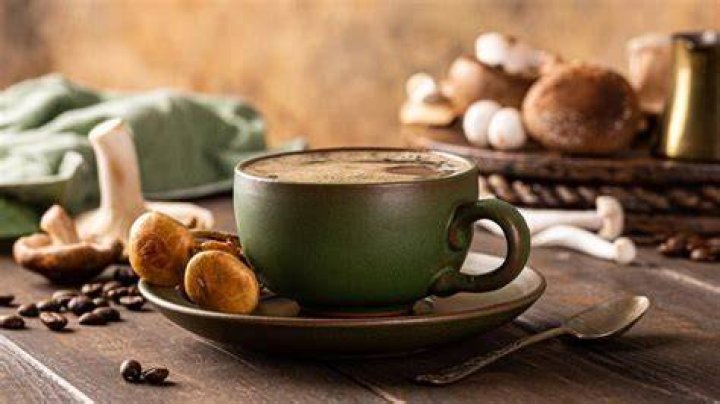
Forget peppermint mochas — the hottest java trend is fungi.
Medicinal mushrooms, such as chaga, reishi or lion’s mane, are touted by wellness gurus for being beneficial to overall health by reducing inflammation, beating fatigue, or boosting immunity.
Now, health-conscious brands are investing in therapeutic ‘shrooms in the form of coffee, combining ground java beans and powdered fungi for the ultimate morning pick-me-up with the same taste as your favorite roast.
“Medicinal mushrooms have been health staples in Eastern Medicine for centuries, with Western science now catching up through research and clinical trials in recent decades,” Jack Savage, founder of the mushroom coffee company Everyday Dose, told The Post in an email Thursday.
Supermodel Gisele Bündchen, 43, once attributed her energy and clarity to lion’s mane mushrooms, which some research suggests could curb anxiety and help digestion.
Meanwhile, products from brands like Renude — its Chagaccino is available in an Instagrammable package — promise more energy, better cognition and improved gut health without the hallmark jitters from caffeine overkill.
Every day, Savage drinks one cup of mushroom coffee — from his own Texas-based company, of course — and told The Post it enhances his “mental clarity, energy, immunity and gut health.”
“Different mushroom types offers unique benefits, but the key is getting an effective dose,” he explained, adding that some manufacturers may not include enough to make an impact.
“With a proper dose of top-quality mushrooms, people can expect to feel sharper, calmer, and enjoy better sleep within days, with ongoing health improvements with regular use.”
While experts agree that the mushrooms are nutrient-packed — vitamins, minerals and antioxidants, oh my! — some are skeptical as to whether the powdered versions, which are dried, extracted and then pulverized, carry the same punch.
“Is it going to be as impactful as eating them raw or eating them slightly cooked? Probably not,” Stanford Health Care clinical dietitian Katherine Donelan told HuffPost this week.
But the blends could help reduce caffeine intake, especially for those sensitive to caffeine, said Emily Rubin, the public relations chair for the Philadelphia Academy of Nutrition and Dietetics.
Medicinal mushrooms, though proven safe over centuries of consumption, have not been researched enough to “determine the safe amount of mushroom coffee” or a “toxicity level,” since it’s unknown if these mushrooms could interact with prescriptions, Rubin noted.
If you wouldn’t normally consume mushrooms otherwise, sipping on a chaga java isn’t a bad idea — but the experts warn not to swap out whole mushrooms for their pulverized counterparts.
“If you want to maximize the health benefits of medicinal mushrooms, just choose to eat the fresh mushrooms versus the mushroom coffee,” added Rubin, who is also the director of clinical dietetics at Thomas Jefferson University Hospital. “You will also get the added bonus of fiber, B vitamins, selenium and potassium.”
For those eager to get in their daily dose of mushrooms via their morning cup of joe, Savage notes that “not all mushroom products are created equal.”
Some companies use “myceliated grain,” a byproduct of fungi that yields fewer benefits and is best described by Savage as “ordering a potato dish but getting roots and dirt on your plate instead.”
Instead, consumers should be looking for brands that derive their products from the higher quality “fruiting bodies.” The mushrooms should also be extracted, not just dehydrated and ground up, because the cell wall, or chitin, needs to be broken down, Savage said.
“So when it comes to mushroom supplements, it’s crucial to pay attention to quality to actually experience benefits,” he added.